

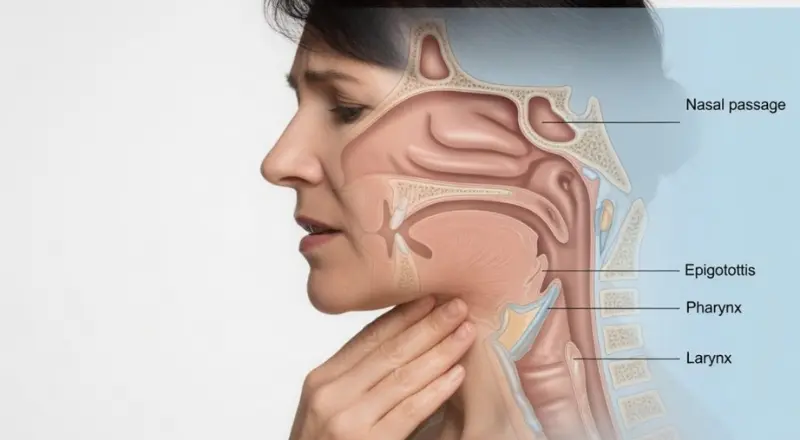
That constant feeling of mucus trickling down the back of your throat — sometimes called sinus drip, throat drainage, or nasal back drip — is one of the most common complaints we see at ENT, Sinus & Hearing Care Center. It can trigger a persistent cough, a sore throat that never quite goes away, and the urge to clear your throat all day long.
Most people assume it means something is wrong with their sinuses. Sometimes it does. But post-nasal drip is more nuanced than it appears, and understanding what is actually causing it makes a significant difference in how it gets treated.
What Is Post-Nasal Drip?
Post-nasal drip — also written as postnasal drip or post-nasal drainage — refers to the sensation of mucus accumulating or running down the back of the throat from the nasal passages. The term “post-nasal” simply means “behind the nose,” describing the path the mucus takes as it moves from the nasal cavity into the nasopharynx and down the throat.
According to the American Academy of Otolaryngology, your nose and sinuses produce mucus constantly — typically one to two quarts per day — as part of normal function. This mucus moistens and filters the air you breathe, traps particles and pathogens, and keeps the nasal lining healthy. Most of the time, you swallow this mucus without noticing it. Post-nasal drip becomes a problem when mucus production increases, thickens, or when the throat becomes more sensitive to its presence.
What Causes Post-Nasal Drip?
Post-nasal drip is a symptom, not a diagnosis on its own. Several underlying conditions can cause or contribute to it:
Allergic rhinitis is one of the most common causes. When the immune system reacts to allergens like pollen, dust mites, or pet dander, the nasal lining becomes inflamed and produces excess mucus. Seasonal allergies tend to cause thinner, watery nasal drainage, while year-round allergens often produce a more persistent, chronic nasal drainage pattern.
Non-allergic rhinitis produces the same nasal drip symptoms without any identifiable allergic trigger. Changes in temperature, humidity, strong smells, spicy food, and hormonal shifts can all provoke nasal drainage in throat without a single allergen being responsible.
Sinusitis — both acute and chronic — causes the sinus cavities to become inflamed and blocked. When drainage is impaired, mucus thickens and accumulates, often resulting in the feeling of sinuses draining into the throat along with facial pressure and congestion.
Gastroesophageal reflux (GERD and LPR) is a frequently overlooked cause of postnasal drip symptoms. Laryngopharyngeal reflux (LPR), sometimes called silent reflux, causes stomach acid to travel upward into the throat and nasal passages, irritating the mucous membranes and creating the sensation of constant throat drip without necessarily producing visible mucus.
Deviated nasal septum or nasal polyps can disrupt normal nasal airflow and drainage, leading to mucus pooling and the feeling of chronic nasal drainage.
Certain medications, including blood pressure medications and oral contraceptives, can increase mucus production as a side effect.
Dry or cold air causes the nasal lining to produce more mucus as a protective response, which many people experience as a constant nose drip during winter months.
What Does Post-Nasal Drip Feel Like?
Postnasal drip symptoms vary depending on the underlying cause and the consistency of the mucus involved. Common signs include:
- A feeling of mucus running down the back of the throat
- Frequent throat clearing
- Chronic cough, especially at night or in the morning
- Sore throat from sinus drainage, often described as a scratchy or irritated feeling rather than sharp pain
- Hoarseness or a muffled voice
- Nausea from swallowing excess mucus, particularly in the morning
- Bad breath
A question patients often ask is: does nasal drip cause sore throat? Yes — the constant presence of mucus irritates the pharyngeal lining, and repeated throat clearing compounds that irritation. Sinus drainage and sore throat together are one of the most common symptom combinations we evaluate.
How Long Does Post-Nasal Drip Last?
How long post-nasal drip lasts depends entirely on what is causing it. Acute postnasal drip triggered by a cold or short-term sinus infection typically resolves within one to two weeks as the underlying illness clears.
Post-nasal drip tied to seasonal allergies may persist for several weeks during allergy season and then improve on its own.
Constant post-nasal drip that lasts more than three months is considered chronic and warrants proper evaluation. Chronic nasal drainage that does not respond to over-the-counter treatments is often a sign of an underlying structural or inflammatory condition that needs to be identified before the right treatment can be selected.
If your post-nasal drip won’t go away despite trying nasal sprays or antihistamines, that is a signal to see a specialist rather than continuing to cycle through medications that are not addressing the root cause.
How to Stop Post-Nasal Drip: Treatment Options
The right post-nasal drip treatment depends on the cause. A one-size-fits-all approach rarely works well here.
For allergic rhinitis: Intranasal corticosteroid sprays (such as fluticasone or mometasone) are the first-line recommendation. Antihistamines help with watery drainage and sneezing. For patients with significant allergies, allergen immunotherapy — either allergy shots or sublingual drops — can reduce sensitivity over time and provide more durable post-nasal drip relief.
For non-allergic rhinitis: Antihistamines are less effective here. Ipratropium bromide nasal spray is often more useful as it directly reduces mucus secretion. Nasal saline irrigation helps thin and clear mucus from the nasal passages and is one of the most consistently effective home strategies for nasal drainage relief regardless of cause.
For sinusitis: Bacterial sinusitis requires antibiotics. Chronic sinusitis often needs a combination of nasal steroids, saline rinses, and in some cases, surgical intervention to restore normal sinus drainage.
For LPR/reflux-related drip: Dietary changes, eating smaller meals, avoiding eating close to bedtime, and elevating the head during sleep can significantly reduce reflux-driven post-nasal drainage symptoms. Proton pump inhibitors are prescribed in moderate to severe cases.
For post-nasal drip without runny nose: This pattern is particularly common with LPR and sensory hypersensitivity of the throat. Patients feel the drip constantly but produce no visible mucus. This is important to recognize because treating it as a mucus overproduction problem — with decongestants and sprays — will not help. The focus shifts to nerve sensitivity and reflux management.
When Standard Treatments Are Not Enough
For patients with chronic rhinitis — allergic or non-allergic — who have tried nasal sprays and medications without lasting improvement, the Rhinaer procedure offers a longer-term option. This in-office post-nasal drip therapy targets the posterior nasal nerve using low-temperature radiofrequency energy, reducing the nerve’s overactivity and significantly decreasing mucus overproduction and nasal congestion without surgery or ongoing medication.
Patients who are appropriate candidates for RhinAer often describe it as the first thing that addressed the root cause rather than temporarily masking symptoms.
How to Tell If You Have Post-Nasal Drip
Many patients are unsure whether what they are experiencing is actually post-nasal drip or something else, like acid reflux or a throat infection. A few indicators that point toward post-nasal drainage:
- Symptoms worsen when lying down or in the morning
- You feel the urge to clear your throat repeatedly throughout the day
- Symptoms improve temporarily after blowing your nose
- You notice mucus at the back of your throat when you look in a mirror
- Sore throat and cough are present without fever or other signs of infection
Definitive diagnosis requires an examination by an ENT specialist who can assess the nasal passages, nasopharynx, and larynx directly.
Frequently Asked Questions
What is the difference between post-nasal drip and sinus drainage?
They refer to the same process — mucus moving from the nasal and sinus cavities down the back of the throat. “Sinus drainage” is often used when sinusitis is the underlying cause.
Can post-nasal drip cause a sore throat without other cold symptoms?
Yes. Nasal drainage sore throat is common even in the absence of fever, body aches, or congestion. The continuous contact of mucus with the pharyngeal lining causes irritation and inflammation.
How do I stop post-nasal drip immediately?
Saline nasal rinses, staying well hydrated, and sleeping with your head elevated can provide fairly quick relief. Nasal decongestant sprays work fast but should not be used for more than three consecutive days. For a longer-term solution, identifying and treating the underlying cause is essential.
Is severe post-nasal drip serious?
Severe or constant postnasal drip that interferes with sleep, causes chronic cough, or does not respond to standard treatment should be evaluated. It can occasionally indicate chronic sinusitis, nasal polyps, or reflux disease that requires targeted management.
See a Specialist in Paramus, NJ
Persistent post-nasal drip has an identifiable cause in most cases — and an identifiable solution. At ENT, Sinus & Hearing Care Center, Dr. Daniel Samadi provides comprehensive evaluation of nasal and sinus conditions, including same-day appointments for patients dealing with symptoms that have gone on too long without answers.
Schedule a consultation today.
📞 (201) 996-1505 | 10 Forest Ave, Suite 100, Paramus, NJ 07652
